


The Evolution of Modern Appraisal Tools
- EFIRD
- Apr 16
- 3 min read
For over 40 years, we have witnessed firsthand how the world of property valuation has transformed. From handwritten notes and physical inspections to digital databases and advanced software, the journey of appraisal technology has been remarkable. Whether you are a homeowner, a real estate agent, or a legal professional, understanding these changes can help you appreciate the accuracy and efficiency we bring to every valuation.
How Modern Appraisal Tools Have Changed the Industry
The tools we use today are a far cry from the manual methods of the past. Modern appraisal tools combine technology with expert knowledge to deliver faster, more precise valuations. For example, digital mapping and geographic information systems (GIS) allow us to analyze neighborhood trends and property boundaries with incredible detail. Mobile apps enable appraisers to collect data on-site and upload it instantly, reducing errors and speeding up the process.
These advancements mean that appraisals are not only more accurate but also more transparent. Clients can receive detailed reports with clear explanations, charts, and photos that help them understand the value of their property. This is especially important in complex situations like estate planning or divorce, where impartial and defensible valuations are critical.

What Are the Three Types of Appraisals?
Understanding the types of appraisals can help you know what to expect and which method suits your needs best. The three main types are:
Sales Comparison Approach
This method compares the property to similar homes recently sold in the area. It is the most common approach for residential properties and relies heavily on local market data.
Cost Approach
This calculates the cost to replace the property minus depreciation. It is often used for new constructions or unique properties where comparable sales are limited.
Income Approach
Primarily used for commercial properties, this method estimates value based on the income the property generates, such as rent.
Each approach has its place, and often, appraisers use a combination to arrive at the most accurate value. Knowing these types helps you understand the appraisal report and the reasoning behind the final number.
The Role of Data and Software in Today’s Appraisals
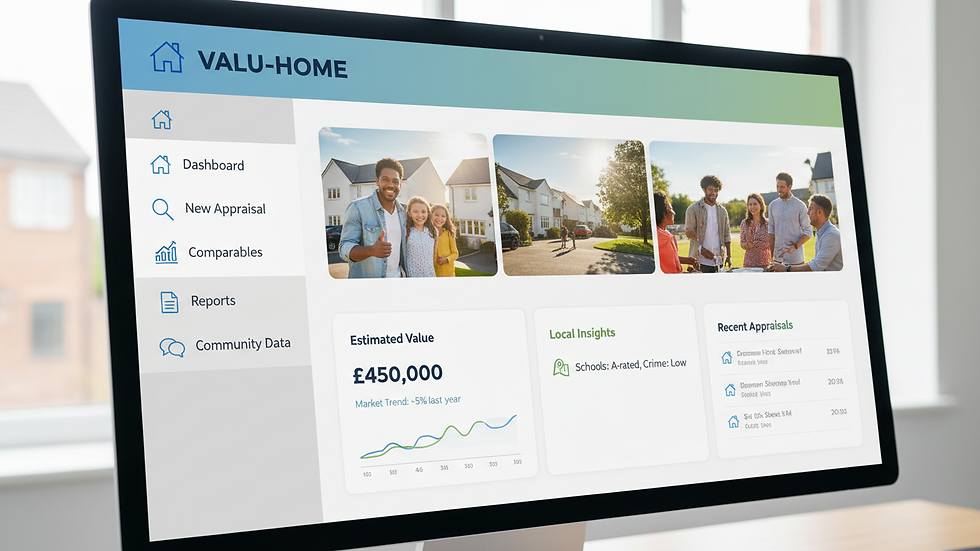
Data is the backbone of modern appraisals. We now have access to vast databases that include recent sales, tax records, zoning information, and even demographic trends. Software tools analyze this data quickly, flagging inconsistencies and highlighting relevant comparables.
For example, automated valuation models (AVMs) use algorithms to estimate property values based on large datasets. While AVMs provide quick estimates, they cannot replace the nuanced judgment of a professional appraiser who visits the property and considers unique features.
Our team uses advanced software to support, not replace, our expertise. This blend of technology and experience ensures valuations that are both efficient and reliable.
How Technology Supports Complex Valuation Needs
In legal and financial matters such as divorce settlements, estate planning, or tax appeals, accuracy and impartiality are paramount. Technology helps us maintain objectivity by providing clear, data-driven evidence to support our conclusions.
For instance, digital records and photographic documentation create a transparent audit trail. This can be crucial when appraisals are reviewed by courts or tax authorities. Additionally, cloud-based platforms allow secure sharing of reports with attorneys, accountants, and other stakeholders, facilitating collaboration and reducing delays.
By integrating technology with our deep local market knowledge, we provide valuations that stand up to scrutiny and help resolve disputes fairly.
Looking Ahead: The Future of Appraisal Technology
The future promises even more exciting developments. Artificial intelligence and machine learning are beginning to play a role in identifying market trends and predicting property values. Drones and 3D imaging offer new ways to inspect properties, especially large or hard-to-access sites.
Despite these innovations, the human element remains essential. Technology is a tool that enhances our judgment but does not replace the experience and insight that come from decades in the field.
We are committed to staying at the forefront of these advancements to serve our clients better. Whether you need a quick valuation or a detailed, defensible appraisal, we are here to guide you through the process with confidence and care.
If you want to learn more about how modern tools improve property valuations, feel free to reach out. We are proud to serve North and South Carolina communities with trusted, accurate, and timely appraisals.
We’re here to help make your appraisal experience smooth and stress-free.


Comments